Solar vs Wind Efficiency: Which Power Source Performs Better?
Solar & Renewable Energy
Solar vs wind efficiency is one of the most common questions beginners ask when choosing renewable energy. Many people want to know which option produces more usable power, wastes less energy, and works better in real life. Efficiency sounds simple, but the answer depends on how energy is measured and used.
What Efficiency Really Means in Solar vs Wind
Efficiency in renewable energy means how well a system converts natural energy into usable electricity. For solar power, it means how much sunlight becomes electrical power. For wind power, it means how much moving air becomes electricity.
High efficiency does not always mean better results. A system can be very efficient but still produce little energy if conditions are poor. Solar vs wind efficiency must be judged using real-world performance, not lab numbers.
How Solar Energy Efficiency Is Measured
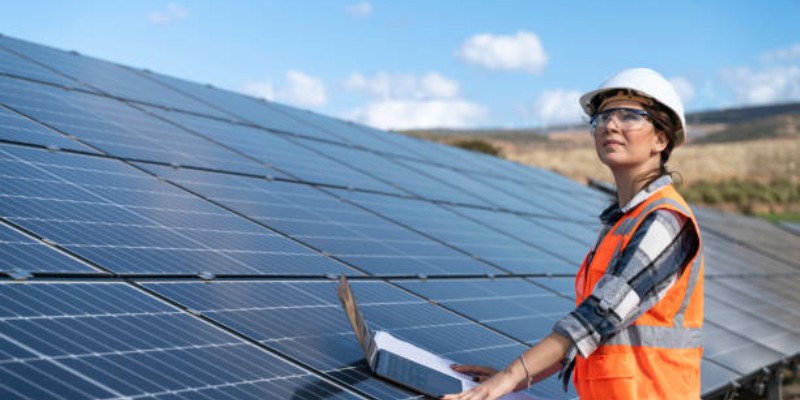
Solar efficiency focuses on how much sunlight a panel can convert into electricity under normal conditions. This is called conversion efficiency and it plays a big role in system design.
Solar Panel Conversion Efficiency
Most modern solar panels convert about 18 to 23 percent of sunlight into electricity. This means a large portion of sunlight is lost as heat or reflected away. Even small improvements in solar efficiency can increase power output over time.
Higher efficiency panels usually cost more. However, they require less space, which makes them useful for rooftops and small areas.
Real-World Factors That Affect Solar Efficiency
Solar performance depends heavily on sunlight availability. Areas with long sunny days get better results. Cloud cover, dust, and pollution can reduce solar efficiency.
Panel angle and direction also matter. Panels facing the wrong direction or shaded by trees lose efficiency quickly. Over time, solar panels slowly degrade, which slightly reduces efficiency each year.
How Wind Energy Efficiency Is Measured
Wind efficiency measures how much wind energy a turbine can capture and convert into electricity. Wind behaves differently from sunlight, making efficiency measurement more complex.
Wind Turbine Power Coefficient
Wind turbines are limited by physics. Betz’s Law explains that no turbine can capture more than 59 percent of wind energy. In real conditions, most turbines operate between 35 and 45 percent efficiency.
This lower efficiency number does not mean wind performs poorly. Wind turbines often operate continuously, which increases total energy production.
Real-World Factors That Affect Wind Efficiency
Wind speed consistency is the biggest factor. Turbines work best in areas with steady, strong winds. Height matters because wind is stronger higher above the ground.
Mechanical parts also affect efficiency. Turbines require maintenance, and downtime reduces energy output. Offshore wind systems often perform better due to smoother wind flow.
Solar vs Wind Efficiency in Real-World Conditions
Comparing solar vs wind efficiency becomes clearer when looking at actual environments rather than lab settings.
Efficiency in Urban and Residential Areas
Solar energy performs better in cities and residential areas. Rooftop panels use existing space and work quietly. Wind turbines struggle in cities due to low wind speeds and zoning limits.
For homes, solar efficiency often feels higher because energy is produced where it is used. This reduces transmission losses and improves overall usefulness.
Efficiency in Rural and Open Locations
Wind energy performs best in open areas with strong winds. Large wind farms can generate massive amounts of power even with lower efficiency percentages.
Solar farms also work well in rural areas, but they require large land spaces. In open locations, wind often delivers more total energy than solar.

Performance During Different Seasons
Solar efficiency peaks during sunny months and drops in winter. Shorter days and cloudy weather reduce output. Wind often performs better in colder seasons when winds are stronger.
This seasonal balance explains why some regions combine both systems for better reliability.
Solar vs Wind Efficiency by Location
Location often matters more than technology. Regions near the equator benefit from higher solar efficiency due to consistent sunlight. Deserts and dry climates favor solar power strongly.
Coastal and high-altitude regions usually favor wind efficiency. Strong, steady winds improve turbine performance and increase total energy output.
Government energy agencies and global research groups often highlight this location-based advantage, including insights shared by international energy organizations.
Energy Output vs Efficiency
Efficiency percentages do not tell the full story. Energy output measures how much electricity is actually produced over time. This is where solar vs wind efficiency comparisons often surprise people.
Wind systems usually have higher capacity factors, meaning they produce power more consistently. Solar systems only generate power during daylight hours.
As a result, wind may generate more electricity annually even with lower efficiency numbers. This difference explains why wind dominates utility-scale energy projects worldwide.
Cost Per Unit of Efficient Energy
Efficiency must be considered alongside cost. A system that produces cheap energy reliably can be more efficient economically, even if technical efficiency is lower.
Installation and Infrastructure Costs
Solar systems are easier and faster to install. They have fewer moving parts and lower setup complexity. Wind systems require towers, foundations, and specialized equipment.
Upfront costs for wind are usually higher, especially for large turbines. However, large-scale wind can reduce cost per unit of energy over time.
Maintenance and Long-Term Performance
Solar panels require minimal maintenance and last 25 to 30 years. Their efficiency declines slowly and predictably.
Wind turbines need regular maintenance due to moving parts. Downtime can reduce efficiency, but modern designs have improved reliability significantly. Many energy utilities rely on data shared by national energy departments to guide long-term planning.
Environmental Efficiency Beyond Electricity
Efficiency also includes environmental impact. Solar panels use more land but little water. Wind turbines use less land footprint but affect landscapes visually.
Both systems produce clean energy without emissions. Studies supported by global renewable energy organizations show that both options outperform fossil fuels by a wide margin in environmental efficiency.
Noise and wildlife concerns exist for wind, while material sourcing affects solar. These factors influence efficiency from a sustainability perspective.
Which Is More Efficient for Different Use Cases
Solar vs wind efficiency depends heavily on how energy is used and at what scale.
Homes and Small Businesses
Solar is usually more efficient for homes. Rooftop systems reduce energy losses and provide predictable output. Wind is rarely practical for individual users.
Large-Scale Power Generation
Wind is often more efficient for large-scale electricity production. Wind farms deliver high annual output and support national grids effectively.
Hybrid Solar and Wind Systems
Combining solar and wind improves reliability. When solar output drops, wind often increases. Hybrid systems maximize efficiency across seasons and weather conditions.
Solar vs Wind Efficiency Explained Simply
Solar vs wind efficiency is not about which technology is better overall. Solar is more efficient for small-scale, urban, and residential use. Wind is more efficient for large-scale and high-output energy production.
Efficiency depends on location, cost, and energy needs. Understanding these differences helps beginners choose wisely without focusing only on percentage numbers.

Solar vs Wind Efficiency in Everyday Decisions
Solar vs wind efficiency matters most when matched correctly to the situation. Solar delivers simplicity, low maintenance, and predictable output. Wind delivers scale, power, and long-term energy production.
Choosing the right option means looking beyond headlines and understanding how efficiency works in real life.
Sources
Share this article:
Recommended For You


Most Viewed


ADVERTISEMENT